Princess Crown Applique: A Business Merch Review
As an experienced embroidery designer specializing in commercial branding and merchandise production, I approach every new machine embroidery design with a critical eye toward profitability, durability, and brand alignment. When evaluating the Princess Crown Applique for small business use, my primary focus shifts from simple aesthetics to functional versatility. This design, categorized under Fairy Tales, offers distinct advantages for specific niches within the handmade and retail sectors. However, its success as a branded asset depends entirely on how well the digitizing supports real-world application on custom apparel, patches, and promotional goods.
First Impressions and Visual Personality
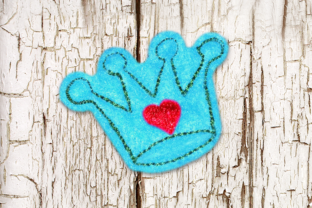
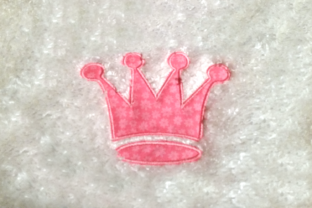
Upon reviewing the Princess Crown Applique, the immediate impression is one of playful elegance balanced with structural simplicity. For a business owner, this balance is crucial. The design does not lean too heavily into juvenile costume aesthetics, which allows it to function as a legitimate logo accent or thematic element for bakeries, children’s boutiques, florists, and creative studios. The applique technique inherently reduces stitch density compared to full-fill satin designs, resulting in a lighter, more flexible finish that sits better on garments without causing fabric puckering.
The visual personality reads as friendly and premium rather than cheap or mass-produced. Because the steps are separated by color changes, the design invites customization. This separation is a significant advantage for brand identity. A bakery could use gold thread for the crown outline and pastel pink for the fill to match their packaging, while a pet grooming salon might use silver and teal. This adaptability transforms a generic fairy tale motif into a cohesive part of a business's visual language.
Commercial Applications for Small Business Merch
For Etsy sellers and local shops, the Princess Crown Applique serves multiple revenue-generating functions beyond simple decoration. In my professional assessment, this design performs best in the following commercial scenarios:
- Boutique Staff Uniforms: Placed on the left chest of polo shirts or aprons, the crown acts as a subtle logo alternative for businesses where a traditional corporate crest feels too stiff. It signals a welcoming, whimsical atmosphere appropriate for cake shops, dance studios, or party planning services.
- Premium Tote Bag Design: Applique shines on canvas totes. The texture contrast between the crown fabric and the bag base creates a high-perceived value item that customers are willing to pay a premium for. This is ideal for market vendors selling handmade products.
- Event Merchandise: For businesses hosting workshops, birthday parties, or grand openings, this design works exceptionally well on caps and bibs. The reduced stitch count means faster run times, allowing for higher volume production during peak event seasons.
- Product Packaging Accents: Embroidering this crown onto linen drawstring bags or reusable wrapping cloths elevates the unboxing experience. It turns packaging into a keepsake, reinforcing customer loyalty and encouraging social media sharing.
Technical Considerations for Production
While the Princess Crown Applique is versatile, technical execution determines whether the finished product looks professional or amateur. As a designer, I must highlight specific areas where caution is required during production.
Hoop Size and Scaling Limitations
The inclusion of four hoop sizes in the digital embroidery file is a major asset, but users must respect the minimum size constraints. Applique relies on precise tack-down stitches and satin borders. If you scale the design down below its intended minimum to fit a tiny patch or cap front, those border stitches may overlap, creating a dense, hard lump that is uncomfortable to wear and prone to needle breaks. Always verify the smallest included size against your target garment area before committing to a production run.
Fabric Texture and Stabilizer Selection
Applique demands a stable foundation. When applying this design to textured fabrics like terry cloth towels or knit caps, the risk of the applique fabric sinking into the base material increases. You must use an appropriate stabilizer strategy. For caps, a firm tear-away combined with a water-soluble topping is non-negotiable to keep the crown edges crisp. On stretchy jersey knits for baby onesies, a cut-away stabilizer is essential to prevent distortion after washing. Never assume the default settings will work across all merchandise types; test on the actual substrate first.
Thread Color Contrast and Visibility
Since the description notes that steps are separated by color changes, you have control over the palette. However, be wary of low-contrast combinations. A white applique piece on a cream tote bag may look elegant in a printable mockup but disappear in real-life lighting. For commercial visibility, ensure sufficient contrast between the applique fabric, the satin border, and the base garment. Dark uniforms require light thread colors or metallic accents to maintain legibility and impact.
Impact on Brand Value and Customer Trust
In the competitive landscape of small business merch, perceived quality dictates pricing power. A poorly executed embroidery job damages trust, while a clean, professional application enhances it. The Princess Crown Applique, when stitched correctly, communicates attention to detail. The smooth satin edges and secure fabric placement signal to the customer that the business cares about craftsmanship.
Furthermore, using consistent design assets across different touchpoints builds recognition. If a florist uses this crown on their staff aprons, delivery vehicle signage, and gift tags, it creates a unified brand experience. Even though the design originates from a "Fairy Tales" category, its repeated professional application recontextualizes it as a proprietary brand symbol. This consistency helps differentiate a handmade business from competitors using generic clip art.
Designer Notes for Safe Implementation
Before adding the Princess Crown Applique to your production lineup, adhere to these professional protocols to minimize waste and maximize quality:
- Verify Licensing: Confirm that the digital embroidery file includes commercial usage rights for merchandise sales. Personal use licenses do not cover selling embroidered goods.
- Run a Black and White Test: Stitch out the design in a single neutral color first. This reveals registration issues or tension problems without wasting expensive rayon or polyester threads.
- Check Format Compatibility: With nine formats included, select the native format for your machine whenever possible to preserve stitch data integrity. Converted files can sometimes lose color stop information.
- Create Client Mockups: Before stitching 50 aprons for a client, create a digital or physical sample. Lighting and fabric drape affect how the crown appears. Get sign-off on the actual size and placement.
- Inspect Wash Durability: If the merchandise will be laundered frequently (like uniforms), perform a wash test. Ensure the applique adhesive and tack-down stitches hold up to industrial laundering cycles.
- Review Spacing: If combining this crown with text (e.g., a business name), ensure adequate spacing. Applique edges can be irregular; crowding text too close results in a cluttered, unprofessional look.
The Princess Crown Applique represents a valuable tool for embroiderers serving niche markets. By treating it as a commercial component rather than just a decorative craft project, you can leverage its charm to build stronger brands and more profitable product lines. Success lies not just in the design itself, but in the disciplined, professional approach to its application.