Nursery Lion: A Designer Review for Business Merch
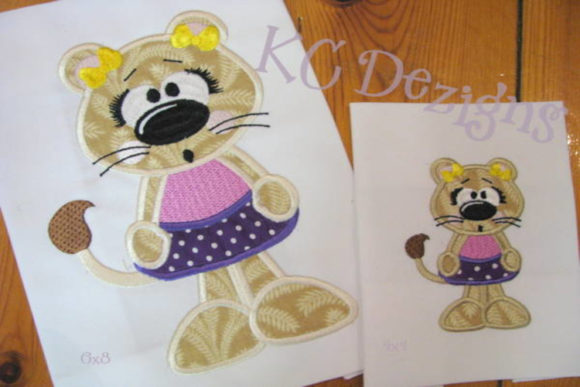
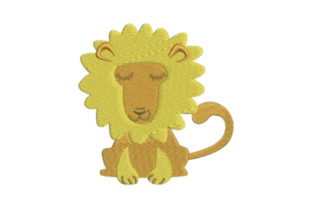
As an experienced embroidery designer specializing in commercial applications, I approach every new machine embroidery design with a critical eye toward production viability and brand alignment. When evaluating the Nursery Lion for small business merchandise, my focus shifts from pure aesthetics to functional performance. While described as a super adorable nurse lion perfect for baby projects, this design holds significant untapped potential for creative studios, pediatric clinics, pet brands, and handmade sellers looking to soften their brand identity. Below is my professional assessment of how this digital asset performs in real-world commercial embroidery scenarios.
Visual Personality and Brand Alignment
The first impression of Nursery Lion is undeniably friendly and approachable. In the context of Baby Animals and Embroidery, it strikes a balance between playful and polished. For a business owner, this visual tone is crucial. It does not read as amateurish or overly cartoonish; rather, it possesses a structured charm that translates well to professional merchandise. If you are operating a boutique, a florist shop, or a family-oriented café, this design communicates warmth and trustworthiness without sacrificing professionalism.
However, because the design leans towards a nursery aesthetic, it requires strategic placement in adult-oriented branding. It works exceptionally well as a secondary logo element or a seasonal accent rather than a primary corporate mark for industrial businesses. For Etsy sellers and crafters, the design’s inherent softness aligns perfectly with handmade product expectations, reinforcing the artisanal value customers seek.
Commercial Applications Beyond Baby Gear
While the product description highlights sewing baby projects, my review focuses on adapting Nursery Lion for broader small business merch. Here is how this design performs across various commercial substrates:
- Embroidered Patches: The lion motif is ideal for morale patches or branded identifiers for staff in pediatric healthcare, veterinary clinics, or childcare centers. The distinct shapes typically found in nursery styles allow for clean merrowed edges when digitized correctly.
- Apron Embroidery: For bakeries or florists, placing this design on the chest pocket area of an apron adds a unique, memorable touch. It differentiates your uniform from generic stock options and enhances customer engagement through visual storytelling.
- Tote Bag Design: As a center-chest or lower-corner accent on canvas totes, Nursery Lion serves as excellent event merch or customer appreciation gifts. The design’s likely fill areas provide good coverage on textured canvas without requiring excessive stabilization.
- Custom Apparel Accents: Instead of a full-back print, consider using this as a sleeve detail or nape-of-neck logo on staff polo shirts. This subtle branding reinforces team identity while keeping the garment comfortable and breathable.
Production Considerations and Technical Limits
A beautiful screen image does not always guarantee a flawless finished product. When integrating Nursery Lion into your production workflow, specific technical constraints must be respected to maintain quality.
Stitch Density and Fabric Texture
Nursery-style designs often feature satin stitch borders and complex fills to create soft textures. You must verify the stitch density before running production batches. High-density areas can cause puckering on lightweight knits or performance wear. If applying this to dark uniforms or textured fabrics like denim aprons, ensure the underlay is sufficient to prevent the fabric grain from distorting the design. Always test on the actual substrate; what works on cotton quilting fabric may fail on polyester caps.
Sizing and Detail Retention
One of the most common failures in commercial embroidery is resizing without re-digitizing. Before committing Nursery Lion to small patch sizes or cap fronts, inspect the smallest details. Facial features and tiny paws may lose definition if scaled down below 2 inches. Cap embroidery presents additional challenges due to curvature; flat designs often distort on rounded surfaces. If the design includes intricate outlining, it may require simplification for headwear applications to prevent needle breaks or registration issues.
Thread Colors and Contrast
The visual success of this design relies heavily on thread colors. Nursery palettes are often pastel or muted, which can disappear on light-colored merchandise or look muddy on dark backgrounds. For business use, I recommend testing high-contrast variations. A monochrome version or a brand-aligned colorway often reads better professionally than the original multicolor palette. Ensure there is adequate contrast between the lion and the garment to maintain visibility at a distance.
Strategic Value for Small Business Growth
Investing in a versatile digital embroidery file like Nursery Lion offers tangible ROI beyond the initial purchase price. Consistent use of recognizable design assets builds visual continuity across your product line. When customers see the same friendly lion on your packaging, staff uniforms, and social media printable mockup posts, it reinforces brand recall.
Furthermore, offering branded merchandise featuring this design can open new revenue streams. Pet brands can use it for bandanas, while creative studios might sell sticker-patch hybrids. The emotional connection fostered by animal imagery increases perceived product value, making customers more willing to pay a premium for branded goods compared to unbranded alternatives.
Essential Pre-Production Checklist
Before loading this embroidery file into your machine for a client order or inventory run, complete this verification process:
- Verify File Compatibility: Confirm the included formats match your machine. While multiple formats are provided, always prioritize native files over converted ones to preserve stitch integrity.
- Check Hoop Size Requirements: Measure the design dimensions against your available hoops. Avoid using a hoop significantly larger than necessary to maintain tension stability.
- Select Proper Stabilizer: Match stabilizer weight to both the design density and fabric type. Cut-away backing is generally safer for stretchy apparel, while tear-away may suffice for stable tote bags.
- Run a Black and White Test: Stitch out a grayscale version first to evaluate texture and depth without color distraction. This reveals density issues instantly.
- Create Client Mockups: Use software to generate a printable mockup showing Nursery Lion on the intended item. Get written approval on size and placement before stitching.
- Confirm Commercial Licensing: Crucially, review the license terms included with the download. Ensure you have rights for selling finished products versus just personal use. Never assume commercial rights exist without documentation.
- Compare Beside Existing Assets: Place the design next to your current logos. Ensure the style weight matches so your branding looks cohesive rather than disjointed.
Final Verdict for Merch Creators
Nursery Lion is a robust candidate for businesses targeting families, pet owners, or niche handmade markets. Its strength lies in its ability to humanize a brand through universally appealing imagery. However, successful implementation requires treating it as a technical asset, not just a cute picture. By respecting stitch limits, testing thoroughly on target materials, and aligning the color palette with your business identity, this design can transition seamlessly from a baby project staple to a profitable component of your custom apparel and merchandise strategy. Always prioritize production testing over assumptions to ensure your branded patches and garments meet professional standards.