Bride to Be: A Designer Review for Business Merch
As an embroidery designer who specializes in commercial applications and small business merchandise, I approach every new asset with a critical eye toward production viability. When evaluating the Bride to Be machine embroidery design, my focus shifts immediately from personal sentiment to professional utility. While the product description highlights the emotional connection of dreaming about a wedding night, my review assesses how this digital embroidery file performs when applied to branded patches, custom apparel, and retail merchandise. For Etsy sellers, boutique owners, and apparel decorators, understanding the technical and aesthetic limitations of this design is crucial before committing it to a production run.
Visual Personality and First Impressions
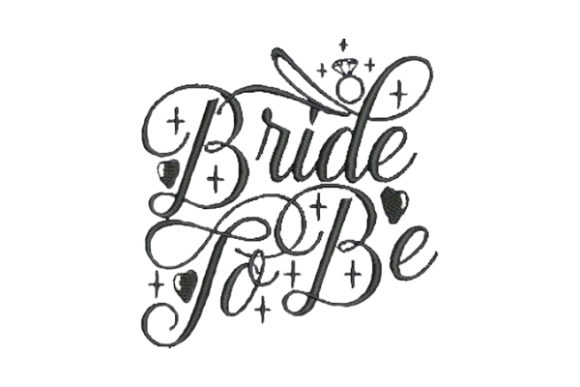
The first impression of Bride to Be suggests a balance between elegance and accessibility. In the context of Wedding Quotes, this design leans toward a stylish, modern aesthetic rather than overly ornate baroque complexity. For a small business owner, this is advantageous. Overly complex designs often fail when scaled down for chest logos or cap embroidery. The visual personality here feels friendly yet premium, making it suitable for businesses that want to convey warmth without sacrificing professionalism.
From a brand identity perspective, this design reads clearly at a glance. The typography appears designed to be legible, which is the single most important factor for commercial embroidery. If customers cannot read "Bride to Be" from three feet away on a tote bag design or apron embroidery, the marketing value diminishes. The stylistic choices seem to favor clean lines over excessive decorative fills, which bodes well for stitch density management and fabric compatibility across various handmade product lines.
Commercial Applications for Small Business Merch
For creative studios, bridal boutiques, and event planners, Bride to Be offers versatile application opportunities beyond personal use. As a piece of small business merch, this design can serve as a high-value add-on or a standalone SKU. I envision this working exceptionally well as an embroidered patch for denim jackets sold in bridal shops. Patches require specific digitizing considerations, and if this file supports clean merrowed edges or satin borders, it becomes a scalable inventory item.
In the realm of custom apparel, consider the staff uniforms for a bridal salon or wedding planning agency. A subtle, tonal version of Bride to Be on a polo shirt sleeve or cap front creates immediate role recognition while maintaining a cohesive team look. For bakeries specializing in wedding cakes or florists focusing on nuptial arrangements, this design could be adapted for packaging accents or reusable tote bag designs given to clients. These touchpoints reinforce the business’s niche expertise through tangible, stitched branding.
Etsy sellers and craft business assets managers should also evaluate this design for printable mockups. Before stitching physical inventory, creating digital visuals helps gauge market interest. Because Bride to Be carries inherent emotional weight, it likely converts well in digital previews, provided the mockup accurately represents the final stitch texture and scale.
Technical Considerations and Production Limits
Despite its stylish appeal, Bride to Be requires careful handling in specific production scenarios. As an experienced designer, I must emphasize where caution is necessary:
- Cap Embroidery Challenges: Curved surfaces distort horizontal text. If the lettering in this design is strictly linear, it may require re-digitizing or distortion compensation specifically for structured caps. Always test on a curved surface before bulk production.
- Small Patch Sizes: Reducing this design below 3 inches risks losing detail. Thin serifs or delicate script elements may turn into thread blobs if the stitch density is too high for the reduced area. Verify the minimum recommended size in the file specifications.
- Fabric Texture Compatibility: On textured fabrics like canvas tote bags or pique polos, fine details disappear. This design may require a topping or increased underlay to prevent stitches from sinking into the weave.
- Wash Durability: For apron embroidery or work shirts that face frequent laundering, ensure the design uses durable thread types and adequate locking stitches. Decorative running stitches may unravel over time compared to solid satin or fill stitches.
- Dark Uniforms: Contrast is king. If applying Bride to Be to black or navy garments, verify that the thread colors provide sufficient luminance. Low-contrast elegant designs often look muddy in real-world lighting conditions.
Impact on Brand Value and Customer Trust
The quality of your finished product directly influences customer trust. A poorly executed Bride to Be embroidery signals amateurism, whereas a crisp, well-stabilized application communicates premium value. When a bride purchases merchandise featuring this design, she is buying into a promise of perfection for her special day. Your embroidery must honor that expectation.
Consistency across design assets builds recognition. If you use Bride to Be on multiple platforms—aprons, caps, patches, and packaging—the stitch quality and color matching must remain identical. Variations in thread tension or hooping alignment create visual dissonance that undermines brand authority. Professional commercial embroidery demands rigorous quality control to ensure every instance of this design reinforces your reputation for excellence.
Essential Designer Notes for Production Success
Before loading this digital embroidery file into your machine for client work, follow these professional protocols to mitigate risk and maximize output quality:
- Verify Licensing Terms: Never assume commercial rights. Check the specific license for Bride to Be to confirm it permits resale on finished products, patches, and branded merchandise. Documentation protects your business legally.
- Conduct Black and White Testing: Print the design in grayscale or view it in monochrome within your software. This reveals contrast issues and spacing problems that color might mask. If the design fails in black and white, it will fail in low-light retail environments.
- Test on Real Fabric: Digital simulations are insufficient. Stitch out Bride to Be on the exact fabric and stabilizer combination intended for production. Assess registration, pull compensation, and overall feel.
- Review Thread Color Contrast: Hold physical thread samples against your garment blanks under store lighting. Screen colors rarely match reality. Adjust palette choices based on physical verification to ensure readability and aesthetic harmony.
- Confirm Hoop Size Requirements: Ensure your available hoops accommodate the design without excessive empty space, which increases stabilization challenges. Using the smallest appropriate hoop improves tension consistency.
- Create Client Approval Mockups: Before stitching expensive custom orders, generate a realistic printable mockup showing Bride to Be at actual scale on the chosen garment. Obtain written sign-off to prevent disputes over size or placement expectations.
- Inspect Spacing and Kerning: At smaller scales, letter spacing often closes up. Manually adjust kerning if reducing the design for chest logos or sleeve cuffs to maintain legibility.
- Compare Beside Other Assets: Place Bride to Be next to your existing brand elements. Does the style clash or complement? Visual cohesion across all design assets strengthens overall brand identity.
Ultimately, Bride to Be represents more than just a wedding quote; it is a potential cornerstone for profitable merchandise lines when executed with professional diligence. By respecting technical constraints and prioritizing production testing, small business owners can transform this stylish machine embroidery design into trusted, revenue-generating branded assets that resonate authentically with their clientele.