Valentine's Gnome: A Boutique Sweatshirt Review
As an embroidery designer preparing for a seasonal drop, I am constantly evaluating whether a digital file can translate into a premium physical product. When reviewing the Valentine's Gnome machine embroidery design for our upcoming boutique collection, my primary focus is not just on the aesthetic appeal, but on technical viability for commercial apparel. The description promises guaranteed cuteness, but for small clothing brands and Etsy sellers, cuteness must be paired with stitch integrity and marketability. This review breaks down how this specific design performs when applied to sweatshirts, hoodies, and cozy seasonal apparel from a professional production standpoint.
First Impressions and Design Personality
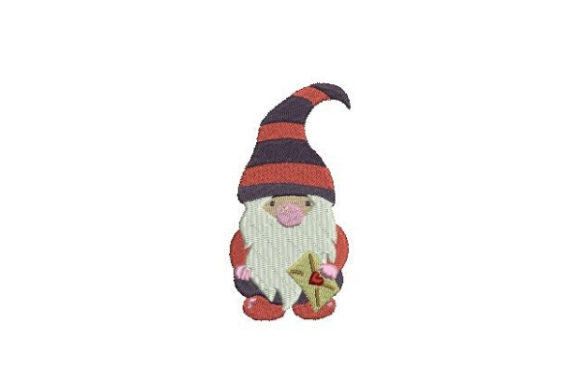
Upon opening the embroidery file, the immediate impression of Valentine's Gnome is one of playful rustic charm. It strikes a balance between feminine whimsy and gender-neutral comfort, making it versatile for various customer demographics. For a boutique brand, this versatility is crucial. The design does not feel overly juvenile; instead, it possesses a stylized quality that appeals to adult crafters and gift buyers alike. The layout appears optimized for center-chest placement on oversized hoodies or as a statement piece on crewneck sweatshirts.
The mood is undeniably festive yet subtle enough for everyday wear beyond February 14th. As a designer, I look for assets that offer longevity. While clearly a Valentine S Day motif, the gnome character allows for colorway adjustments that could extend its shelf life into late winter or early spring collections. For handmade business owners, this means the design assets have a higher potential return on investment compared to hyper-specific text-based designs that expire immediately after the holiday.
Technical Evaluation for Sweatshirt Embroidery
A pretty screen preview does not guarantee a successful finished product. When planning sweatshirt embroidery, fabric texture and stabilizer choice are paramount. Fleece and French terry fabrics have high loft and stretch, which can distort intricate details. In evaluating Valentine's Gnome, I am looking at the stitch density and underlay structure.
- Stitch Density: Commercial embroidery requires adequate coverage without causing puckering. If the design is too dense for heavy sweatshirt fleece, it creates a bulletproof patch effect that drapes poorly. Conversely, if it is too sparse, the fabric texture shows through, making the product look cheap. This design appears to have balanced fill areas suitable for mid-weight apparel.
- Stabilizer Strategy: For this project, I would recommend a medium-weight cutaway stabilizer rather than tear-away. Cutaway provides permanent support for the stretchy knit fabric, ensuring the Valentine's Gnome remains crisp after washing. A temporary spray adhesive is also essential to prevent shifting during the stitch-out.
- Hoop Size and Placement: Always verify your hoop size compatibility before purchasing any digital embroidery file. For an oversized hoodie, a larger hoop allows for better tension control across the chest area. Proper hooping technique—floating versus hooping directly—can also impact the final registration of the design elements.
Color Contrast and Fabric Compatibility
Thread colors define the perceived value of custom apparel. When testing Valentine's Gnome, contrast is the key variable. On neutral sweatshirts like cream, oatmeal, or heather grey, the design pops effortlessly, allowing the intricate stitching personality to shine. These backgrounds are ideal for showcasing detail and are currently trending in the boutique market.
However, dark fabrics present a challenge. If you plan to stitch this onto navy, burgundy, or black apparel, you must ensure the design includes sufficient light-colored outlines or internal highlights. Without contrast, the gnome’s features may disappear into the fabric grain. For small shop products, offering the same design on multiple base colors increases listing visibility, but only if the embroidery remains legible and vibrant across all options. I recommend running a test stitch-out on your darkest intended fabric to evaluate thread visibility before committing to bulk production.
Commercial Viability for Etsy Sellers and Brands
For creative entrepreneurs, every design purchase is a business decision. Does Valentine's Gnome add value to your brand identity? The answer lies in its adaptability. This design works exceptionally well for lifestyle product photography because of its recognizable silhouette. It photographs cleanly for printable mockups, which is vital for pre-selling limited drops without holding inventory.
Furthermore, the design supports various merchandising strategies. Beyond standard chest placement, consider how it might function as a sleeve accent near the cuff or as a smaller logo-sized emblem on a pocket. This flexibility allows apparel decorators to create tiered pricing structures within their shops. A full-back print commands a premium, while a subtle wrist placement offers a lower entry price point. For Etsy sellers, using unique placement variations helps differentiate listings from competitors using the same digital assets.
Durability and Customer Trust
Nothing erodes buyer trust faster than embroidery that unravels or distorts after a single wash cycle. When reviewing Valentine's Gnome for commercial use, durability is non-negotiable. The connection points between satin stitches and fill areas must be secure. Loose jumps or inadequate tie-offs are red flags in any embroidery file.
As a handmade product creator, your reputation hinges on quality. Ensure that the top thread tension is balanced so the bobbin thread does not show on the surface. This is particularly important for multi-color designs where thread changes increase the risk of tension issues. Washing instructions should always be included with your finished product; recommending cold water and air drying preserves the dimensional stability of the embroidery and maintains the premium feel of the garment.
Production Checklist Before You Stitch
Before adding Valentine's Gnome to your production queue, complete this verification process to protect your materials and time:
- Verify Specifications: Check the exact stitch count, dimensions, and included formats in the product details. Do not assume compatibility with your specific machine brand.
- Test on Scrap Fabric: Never stitch a new design directly onto a sellable garment. Use a scrap piece of the exact sweatshirt material you intend to use to test stabilizer performance and thread tension.
- Evaluate Small-Size Readability: If resizing down for baby items or sleeve cuffs, ensure text or fine details do not merge. Some designs lose clarity below certain thresholds.
- Check Licensing: Confirm that the license permits commercial use on physical products. Digital resale is typically prohibited, but selling embroidered apparel is the standard goal for boutique brands.
- Plan Your Colorways: Pre-select your thread palette based on current inventory to avoid production delays. Document successful color combinations for future reorders.
Final Thoughts for Apparel Decorators
Valentine's Gnome represents a strong contender for seasonal collections due to its blend of technical accessibility and broad aesthetic appeal. It avoids the trap of being overly complex, which reduces stitch time and thread consumption—two critical factors for profit margins in custom apparel. Whether you are an established embroidery shop or a home-based crafter building a brand, this design offers a reliable foundation for Valentine S Day merchandise.
Success in machine embroidery comes from respecting the relationship between the digital file and the physical substrate. By paying attention to stabilizer selection, fabric contrast, and proper hooping, you transform a simple download into a high-value boutique item. Remember to always validate the technical specs provided by the digitizer, as these parameters dictate the safety and success of your production run. With careful execution, this design can drive engagement, enhance your shop's visual identity, and deliver the cozy, handmade quality that customers actively seek.