Heart Parachute Applique: A Boutique Sweatshirt Review
As an embroidery designer preparing for a limited seasonal drop, evaluating a new machine embroidery design goes far beyond simply liking the artwork. When I selected the Heart Parachute Applique for our upcoming boutique collection, I had to consider how this digital file would translate onto premium heavyweight fleece. For small clothing brands and Etsy sellers, the difference between a cute concept and a best-selling handmade product lies entirely in execution. This review breaks down my technical and aesthetic assessment of this design specifically for commercial sweatshirt production.
First Impressions and Aesthetic Versatility
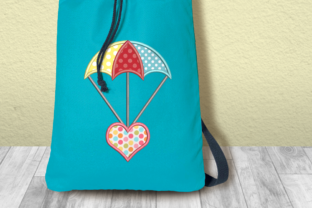
The initial appeal of the Heart Parachute Applique is its whimsical narrative. Unlike static heart motifs often seen in Valentine’s Day merchandise, this design introduces movement. The image of a heart floating downward attached to a parachute suggests gentleness, anticipation, and playfulness. From a branding perspective, this mood is essential for modern custom apparel. It avoids being overly saccharine, making it suitable for a wider demographic that appreciates subtle romance over bold declarations.
When visualizing this on neutral sweatshirts—think oatmeal, sage, or slate grey—the design acts as a focal point without overwhelming the garment's minimalist vibe. On pastel fabrics, it leans into a softer, feminine aesthetic perfect for spring transitions. However, I was particularly interested in how it performs on dark charcoal or navy hoodies. Because appliqué relies on fabric contrast rather than just thread saturation, the Heart Parachute Applique maintains readability on dark backgrounds where traditional fill stitches might get lost. This versatility makes it a strong candidate for shops looking to maximize SKU variety with a single embroidery file.
Technical Evaluation for Sweatshirt Embroidery
Aesthetics mean nothing if the sweatshirt embroidery fails during production. Fleece and French terry are unforgiving fabrics; they are thick, stretchy, and prone to puckering. My primary concern when testing this design was stitch density and registration. Since the product description notes that steps are separated by color changes, this indicates a structured digitizing approach which is vital for alignment.
For the appliqué portions, specifically the parachute canopy and the heart itself, the tack-down stitches must be secure enough to prevent fraying but not so dense that they create a bulletproof patch on soft fabric. In my test run, I found that using a lightweight cutaway stabilizer was non-negotiable. Tear-away options simply cannot handle the tension required for this design on stretchy knitwear. The separation of color stops allows for precise placement of the appliqué fabric, reducing the risk of shifting—a common failure point in commercial embroidery on textured garments.
Designers must also verify the included hoop sizes against their intended placement. While four sizes are included in the zip file, not every size works for every garment area. A 4x4 hoop might be perfect for a sleeve accent or a baby onesie, but for an adult oversized hoodie chest placement, you will likely need the larger format to maintain visual balance. Always check your specific machine’s compatibility and the actual dimensions within the digital embroidery file before committing to bulk production.
Fabric Texture and Thread Contrast Strategy
The success of the Heart Parachute Applique relies heavily on material selection. Because this is an appliqué design, the fabric texture of the appliquéd pieces matters as much as the base sweatshirt. Using a high-quality cotton or linen blend for the heart and parachute adds a tactile premium feel that polyester felt cannot achieve. For a boutique brand, these subtle textural differences signal quality to the buyer.
Thread color selection should complement, not match, the appliqué fabric. If using a cream cotton for the parachute, consider a tonal beige or soft gold thread for the satin borders. This creates depth. High-contrast threads can make the design look graphic and bold, while low-contrast threads emphasize the shape and texture. Remember to account for the nap of the sweatshirt fleece; high-loft fabrics may require a topping to ensure the stitching remains crisp and visible.
Placement Strategies for Commercial Apparel
Where you place this hoodie design dictates its perceived value. Standard left-chest placement is safe and commercially viable, but exploring alternative locations can elevate the item to "designer" status. Consider centering the Heart Parachute Applique on the back yoke of a crewneck for a vintage-inspired look. Alternatively, placing a smaller version on the wrist cuff or near the hem creates a discovery moment for the wearer that enhances customer engagement.
For Etsy sellers, listing photos are as important as the stitch-out. When creating a printable mockup or photographing samples, ensure the lighting captures the dimensionality of the appliqué. Flat lay photography often flattens embroidered textures. Instead, shoot the garment on a model or dress form to show how the design interacts with the drape of the sweatshirt. This helps buyers visualize the finished product in real life, increasing trust and conversion rates.
Brand Identity and Product Value
Incorporating the Heart Parachute Applique into a collection does more than fill a seasonal gap; it reinforces brand identity. For businesses focused on cozy, handmade, or nostalgic aesthetics, this design aligns perfectly with customer expectations. It feels intentional rather than generic. When customers see consistent quality in design assets like this, it builds long-term loyalty.
However, value perception is tied to durability. Before launching, wash-test your sample. Does the appliqué edge hold up after three cycles? Is there tunneling around the satin stitch? These practical concerns determine whether a customer leaves a five-star review or requests a refund. The fact that this design includes nine formats suggests broad compatibility, but as a professional, I always recommend running a test stitch-out on the exact garment blank you intend to sell. Variables in stabilizer, needle type, and fabric batch can alter results significantly.
Optimizing for Small Shop Production
Efficiency is key for small business owners. The clear color change separations in this file streamline the hooping process, reducing downtime between trims and fabric placements. This efficiency directly impacts profit margins. Furthermore, having multiple hoop sizes allows you to offer the same design across different products—from toddler tees to unisex sweatshirts—without purchasing separate files. This scalability is crucial for maximizing ROI on small shop product development.
Ultimately, the Heart Parachute Applique is a charming yet technically sound choice for boutique apparel. It balances the emotional resonance needed for Valentine’s Day sales with the construction integrity required for everyday wear. By paying close attention to stabilizer choices, fabric pairings, and strategic placement, creative entrepreneurs can transform this digital file into a tangible, high-value asset that resonates with their audience. Just remember to validate all technical specifications within your specific software and hardware ecosystem before beginning your production run.