Cute Flying Pig: An Embroidery Design Review
As a professional embroidery designer constantly sourcing assets for commercial projects and client commissions, I approach every new machine embroidery design with a critical eye. When browsing the Baby Animals category on Creative Fabrica, the "Cute Flying Pig" design immediately caught my attention. The product description promises a joyful aesthetic that makes you smile, but as someone who stitches these files onto real products for paying customers, I need to know if the digital file translates into a high-quality finished product. This review evaluates the design from a production standpoint, focusing on its viability for Etsy sellers, apparel decorators, and creative entrepreneurs looking to expand their inventory with whimsical yet professional embroidery.
First Impressions and Visual Mood
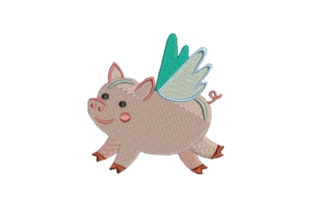
The initial appeal of Cute Flying Pig lies in its narrative charm. Unlike generic farm animal clipart, this design captures a specific moment of whimsy that resonates with buyers looking for unique nursery decor or personalized gifts. For an embroidery digitizer or shop owner, the visual mood is just as important as the technical execution. A design must evoke an emotion that justifies the price point of a custom sweatshirt or baby blanket. This design succeeds in balancing cartoonish fun with enough artistic detail to avoid looking juvenile, making it suitable for both children’s items and lighthearted adult apparel like kitchen towels or tote bags.
When evaluating this Creative Fabrica embroidery asset, I look for clean lines and distinct color separation. In the Baby Animals niche, clarity is paramount. Buyers expect crisp details, not muddy stitching. The flying motif suggests dynamic movement, which requires careful consideration of stitch direction. If the digitizing follows the natural flow of the pig’s form and wings, the result will be a textured, dimensional piece rather than a flat sticker-like patch. This visual depth is what separates premium handmade merchandise from mass-produced alternatives.
Production Viability for Commercial Projects
For small business owners and Etsy sellers, the versatility of an embroidery file determines its return on investment. Cute Flying Pig appears well-suited for a variety of substrates, but practical application requires matching the design to the right product. Here is how this design performs across different commercial categories:
- Custom Apparel and Sweatshirts: The playful nature of this design makes it an excellent candidate for crewneck sweatshirts and hoodies. However, because knit fabrics are unstable, verifying the stitch density is crucial before running a production batch. If the design includes heavy fill stitch areas, you may need to adjust your backing to prevent puckering.
- Nursery Decor and Baby Items: As a staple in the Baby Animals category, this design is ideal for crib sheets, bibs, and loveys. For these items, softness is non-negotiable. I recommend checking if the design uses excessive satin stitch borders that could irritate sensitive skin. A design with smoother transitions and appropriate underlay is essential for infant safety and comfort.
- Tote Bag Design and Kitchen Linens: Woven fabrics like canvas and linen provide the most stable base for detailed machine embroidery. Cute Flying Pig would likely shine on a flour sack towel or canvas tote, where the fabric can support higher stitch counts without distortion. These items are popular craft fair sellers because they offer a lower price point entry for customers who love the aesthetic but aren't ready to buy expensive apparel.
- Embroidered Patches: If you run a patch business, this design has strong potential. The flying silhouette lends itself well to merrowed edges. Ensure the digital embroidery file includes a proper tack-down and border sequence if you intend to produce standalone patches rather than direct-to-garment embroidery.
Technical Considerations and Stitching Performance
While the aesthetic draws us in, technical specifications keep us in business. Before adding Cute Flying Pig to your next collection, you must assess the file's behavior on your specific machine setup. Since the product listing notes multiple file formats, compatibility shouldn't be an issue, but performance varies by hoop and fabric.
Hoop Size and Registration
Always confirm the available sizes against your hoop size capabilities. Resizing an embroidery design significantly can alter stitch density and cause registration errors, especially in complex areas like facial features or wing feathers. If you plan to use this for caps, ensure you have a version specifically digitized for curved surfaces or resize cautiously within safe limits. Cap embroidery demands precise center points; a design meant for flat hoops may distort when wrapped around a brim.
Stabilizer and Fabric Pairing
The success of any handmade product hinges on stabilization. For Cute Flying Pig, your stabilizer choice should dictate the outcome. On stretchy knits for baby onesies, a cut-away stabilizer is mandatory to maintain shape after washing. For tea towels or denim aprons, a tear-away might suffice, but only if the design isn't overly dense. Always test on scrap fabric first. This step is non-negotiable for commercial sellers. A test run reveals whether the thread colors contrast sufficiently against your chosen fabric and whether small details like eyes or nostrils remain open and legible.
Washability and Durability
Baby items and kitchen linens face rigorous laundering. Evaluate the design’s construction for durability. Long floating stitches or inadequate anchoring can lead to snagging or unraveling over time. If the design relies heavily on delicate running stitch details, consider whether it will survive industrial washing or frequent home laundering. As a seller, your reputation depends on the longevity of your work. If the design feels fragile during testing, it may be better suited for decorative wall art or pillow covers that receive less wear and tear.
Enhancing Product Value and Buyer Trust
In the competitive landscape of Etsy and boutique retail, presentation drives sales. Using high-quality design assets like Cute Flying Pig allows you to create professional mockups and listings. When photographing your finished embroidery, ensure the lighting highlights the texture of the stitches. The three-dimensional quality of embroidery is its selling point over printed goods. Use printable mockup templates to show customers how the design looks on various products before you stitch them, saving time and materials while gauging market interest.
Furthermore, transparency builds trust. Clearly state in your listings that you are using licensed designs from reputable sources. Customers appreciate knowing that the personalized gift they are buying supports ethical design practices. When you treat your source materials with respect and verify their quality through testing, that professionalism translates directly to buyer confidence. A well-executed Cute Flying Pig embroidery project signals to the customer that you care about details, from the initial digitizing to the final trim.
Final Checklist Before Production
Before listing any item featuring this design or starting a custom order, run through this practical checklist to ensure commercial readiness:
- Verify Licensing: Double-check the specific license terms on the Creative Fabrica product page. Confirm whether commercial use for physical products is included and if there are any limitations on digital redistribution or print-on-demand integration.
- Audit File Details: Open the file in your editing software to inspect stitch count, color changes, and jump stitches. Excessive jumps increase production time and thread waste.
- Test on Target Fabric: Never assume a file works perfectly on all materials. Stitch a sample on the exact fabric and stabilizer combination you intend to sell.
- Check Small Details: Inspect tiny elements like facial expressions or wing tips. If they are lost or blobby at smaller sizes, the design may need modification or should only be used at larger dimensions.
- Validate Thread Contrast: Ensure the design reads clearly on both light and dark backgrounds. You may need to create alternate colorways for different garment colors to maintain visual impact.
Cute Flying Pig offers a delightful opportunity for embroiderers to tap into the enduring popularity of whimsical nursery themes and lighthearted apparel. By approaching this machine embroidery design with professional scrutiny and adhering to best practices for testing and stabilization, you can transform a digital download into a profitable, high-quality product line. Whether you are creating a keepsake baby blanket or a trendy embroidered patch, the key to success lies in respecting both the artistry of the design and the technical demands of your craft.