Easter Basket: A Craft Fair Embroidery Review
As an experienced embroidery designer preparing for the upcoming spring market season, I approach every new machine embroidery design with a critical eye. When evaluating the "Easter Basket" design for potential inclusion in my weekend craft fair booth, my primary focus is not just on digital aesthetics, but on tangible sellability. The product description promises a lovely, cute aesthetic suitable for fabrics and clothes to create a festive vibe. However, translating a digital embroidery file into a profitable craft fair product requires assessing stitch integrity, visual impact at a distance, and production efficiency. This review breaks down how this specific design performs in a real-world commercial setting.
First Impressions and Booth Appeal
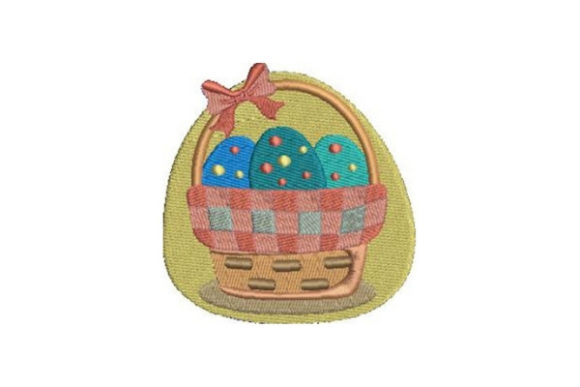
Upon reviewing the design assets, the Easter Basket immediately reads as soft, nostalgic, and distinctly festive. It avoids the overly cartoonish look that can sometimes alienate adult buyers, leaning instead toward a charming aesthetic that appeals to both parents shopping for children and customers seeking traditional spring decor. For a booth display, this balance is crucial. The design possesses enough visual weight to serve as a focal point without overwhelming smaller items.
In a crowded handmade market, customers scan tables quickly. This design’s silhouette appears distinct enough to be recognized from three feet away, which is the standard "glance test" for vendor success. It feels premium rather than generic, suggesting it will elevate the perceived value of basic blanks. Whether positioned as a centerpiece on a linen item or a subtle accent on apparel, the Easter Basket carries a versatility that supports various price points and product categories.
Top Performing Products for Market Sales
Not every finished product yields the same return on investment. Based on current market trends and the specific characteristics of this Easter embroidery, certain items show higher sales potential than others.
- Tea Towel Embroidery: This is arguably the strongest application. Kitchen linens are high-volume sellers at spring markets. The basket motif centers beautifully on flour sack towels, offering a classic gift option. Ensure the fabric texture is smooth enough to support detail without puckering.
- Tote Bag Design: Canvas totes act as walking billboards at fairs. Stitching the Easter Basket in vibrant thread colors against natural canvas creates high contrast that draws eyes to your table. These function as both inventory and display props.
- Apron Embroidery: For the baking and hosting demographic, an apron featuring this design bridges utility and decoration. Place the design on the upper chest or lower pocket area for optimal visibility when worn.
- Embroidered Patch: If you want to maximize profit margins, convert the design into patches. These require less material and can be sold as add-ons. They allow customers to customize their own denim jackets or caps without committing to a full garment purchase.
- Fabric Pouches and Pillow Covers: These items allow for larger hoop sizes, showcasing the full intricacy of the basket weave and floral details if present. They serve as excellent "anchor" items to demonstrate quality craftsmanship.
Production Practicality and Batch Efficiency
For an Etsy seller or boutique maker, time is money. A design might be beautiful, but if it takes three hours to stitch and requires constant supervision, it fails as a volume seller. The Easter Basket appears optimized for batch production, provided you verify the stitch density beforehand. Designs intended for "everything you can think of" typically feature balanced fill stitches that prevent excessive needle penetrations, reducing run time and thread breaks.
Photographing this design for online listings requires attention to lighting and staging. Because the subject matter is inherently textured, flat-lay photography works best to show scale. Creating a printable mockup can help visualize placement before committing to fabric, but nothing replaces a real sample for marketing photos. Customers need to see how the threads interact with the fabric grain. When listing digitally, clearly state the compatible hoop size and formats to reduce customer service inquiries.
Critical Technical Considerations for Makers
While the description suggests broad compatibility, professional results depend on matching the design to the substrate. There are specific scenarios where caution is necessary to maintain the "lovely" quality promised.
Fabric Texture and Stabilizer Selection
The phrase "stitched on everything" should be interpreted with professional discretion. Highly textured towels or thick fleece can swallow fine details. If the Easter Basket includes delicate shading or small text elements, these may disappear on uneven surfaces. Always pair this design with appropriate stabilizer. For tea towels, a tear-away backing combined with a water-soluble topping prevents stitches from sinking into the weave. For stretchy knits used in clothing, cut-away stabilizer is non-negotiable to prevent distortion during wear and washing.
Size Reduction Risks
Resist the urge to shrink the design beyond its intended parameters. While it may work as a small accent, reducing complex basket weaves or petal details below a certain threshold leads to thread buildup and loss of clarity. Test the minimum viable size on scrap fabric first. If the design loses definition at 40% scale, do not offer it as a pocket logo or sleeve cuff embellishment. Maintain the integrity of the art by respecting its dimensional limits.
Thread Contrast and Color Planning
Visual appeal hinges on contrast. A pastel basket on white fabric looks ethereal in person but may vanish in low-light booth conditions or compressed digital thumbnails. For commercial embroidery products destined for outdoor markets, consider slightly saturated thread variations to ensure visibility. Conversely, for heirloom-quality baby items, tone-on-tone stitching conveys sophistication. Document your successful color combinations to streamline future reorders.
Designer Notes for Commercial Success
Before loading this digital embroidery file for a production run, adhere to these professional protocols to protect your brand reputation and ensure customer satisfaction.
- Verify Licensing: Never assume usage rights. Confirm the specific commercial licensing terms included with the purchase. Some designers permit finished product sales but prohibit digitizing modifications or mass manufacturing. Clear licensing protects your business.
- Conduct Substrate Testing: Do not stitch directly onto saleable inventory without a test run. Hoop a scrap of the exact fabric and stabilizer combination you plan to use. Inspect for registration issues, puckering, or tension problems specific to that material.
- Audit Stitch Count and Runtime: Check the technical specs within your machine software. Calculate your true cost per unit including thread, stabilizer, blank cost, and machine depreciation. Ensure the final retail price aligns with craft fair expectations while maintaining healthy margins.
- Create Physical Mockups: Digital renderings cannot replicate thread sheen or texture. Produce at least one physical sample in each intended category (e.g., one towel, one tote) to photograph and display. Real samples build trust with both in-person and online buyers.
- Standardize Placement: Develop a jig or template for consistent positioning across batches. Uniformity signals professionalism. Whether centering on a pillow or aligning on an apron bib, measurable consistency elevates the perceived quality of your handmade product.
Elevating Your Spring Collection
The Easter Basket design offers significant potential for creative entrepreneurs looking to refresh their spring inventory. Its blend of festive charm and versatile application makes it a strong candidate for diverse product lines, from practical kitchenware to wearable accessories. By approaching this design with technical diligence and strategic product planning, you transform a simple embroidery pattern into a cornerstone of your seasonal offerings.
Success at craft fairs and in digital shops stems from the intersection of artistic appeal and manufacturing reliability. Treat this design as a component of your broader brand identity. When executed with proper stabilization, thoughtful color selection, and verified licensing, the Easter Basket becomes more than just a seasonal motif; it becomes a reliable revenue driver that delights customers and showcases your expertise as a maker. Prepare thoroughly, test extensively, and let the quality of your finished embroidery speak for itself this season.