American Heavyweight Horse: A Craft Fair Review
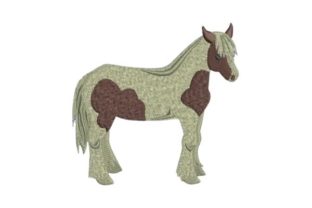
As an experienced embroidery designer preparing for a busy weekend craft fair, I evaluate every machine embroidery design through the lens of sales potential and production efficiency. When reviewing the American Heavyweight Horse, my immediate assessment focuses on its marketability to country-living enthusiasts and its practical application across various handmade product lines. This design is not merely a digital asset; it is a potential best-seller for vendors targeting the rustic, equestrian, and farmhouse demographics. The description highlights an off-white and brown color palette, which immediately signals a versatile, neutral aesthetic that appeals to buyers looking for decor and accessories that blend seamlessly into existing home styles or wardrobes.
First Impressions and Market Positioning
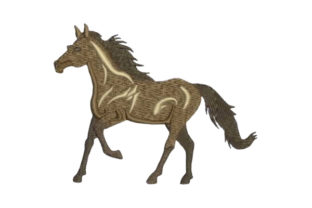
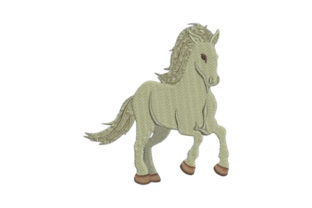
The American Heavyweight Horse evokes a sense of sturdy, nostalgic charm. Unlike intricate show-jumper designs or cartoonish pony motifs, this embroidery file leans heavily into the "heavyweight" descriptor, suggesting a draft horse or a robust working animal. For an Etsy seller or boutique maker, this distinction is vital. It positions the item as premium rustic wear rather than children’s novelty gear. The off-white and brown thread colors are strategically excellent for craft fairs because they photograph beautifully in natural light and do not clash with the varied backgrounds of a vendor booth. When customers scan a table filled with colorful goods, this subdued, earthy tone acts as a visual anchor, drawing in those specifically seeking authentic country aesthetics.
Best Performing Products for Booth Displays
Determining where to place this design is just as important as the stitching itself. Based on the colorway and theme, I have identified specific products where the American Heavyweight Horse will likely generate the highest return on investment during a market event.
- Tote Bag Design: Canvas tote bags in natural or cream shades are the ideal canvas. The brown and off-white threads provide enough contrast to be visible from a distance without requiring high-saturation colors that might fade. As a tote bag design, it serves as both a functional item and a walking advertisement for your brand at the fair.
- Apron Embroidery: For the baking and gardening crowd, this design works exceptionally well on denim or unbleached cotton aprons. The heavyweight nature of the horse mirrors the durability expected in kitchen wear, making it a cohesive apron embroidery choice.
- Tea Towel Embroidery: Flour sack towels or textured linen blends are top sellers in the handmade category. Because the design uses limited colors, it keeps production costs low while maintaining a high perceived value. This makes for an excellent impulse buy tea towel embroidery item.
- Embroidered Patch: Creating standalone patches allows customers to customize their own jackets or caps later. Given the distinct silhouette implied by the title, this translates well into an embroidered patch format that can be sold in multiples.
Production Practicality and Batch Efficiency
For a small shop product line, time is money. The American Heavyweight Horse appears optimized for batch production due to its two-color limitation. In a commercial embroidery setting, minimizing thread breaks and color changes directly increases hourly output. However, designers must verify the stitch density before committing to a full production run. If the design is too dense, it may cause puckering on lighter fabrics like tea towels; if too sparse, it may lack the "heavyweight" visual impact on heavier canvas.
From a digital sales perspective, this design is highly adaptable for printable mockup creation. The neutral tones allow digital sellers to showcase the design on various fabric swatches without extensive photo editing. For those selling the digital embroidery file itself, providing clear previews on both light and dark backgrounds helps buyers visualize the final result, reducing customer service inquiries regarding contrast issues.
Critical Use Notes for Professional Results
While the description states this will stitch out perfectly on your fabric of choice, professional experience dictates caution. Not all fabrics behave identically, even with a well-digitized file. Here are specific technical considerations for the American Heavyweight Horse:
- Fabric Texture Interaction: On highly textured towels or waffle-weave fabrics, fine details in the horse’s mane or facial features may get lost. Always test on a scrap piece of the exact fabric texture you intend to sell. You may need to add a topping stabilizer to ensure crisp definition.
- Stabilizer Selection: For tote bags and caps, use a firm cut-away or tear-away stabilizer appropriate for the weight of the material. Heavyweight designs often carry significant stitch counts, and inadequate stabilization leads to registration errors that ruin the professional look of a finished product.
- Cap Curvature: If applying this to structured caps, verify the hoop size and design dimensions. A wide, heavy design may distort on the curved surface of a hat unless specifically digitized for cap framing. Test one sample before bulk embroidering.
- Dark Fabric Contrast: While designed in off-white and brown, placing this on dark navy or black fabric requires careful evaluation. Ensure the off-white elements remain distinct and do not blend into the brown shadows, which could make the horse look muddy or undefined.
Enhancing Brand Value and Customer Engagement
The American Heavyweight Horse contributes significantly to brand consistency for makers focusing on equestrian or country themes. When displayed alongside other design assets in similar color palettes, it creates a curated collection feel that encourages multi-item purchases. At a craft fair, grouping these items together—perhaps a tote bag next to a matching pillow cover—demonstrates thoughtful merchandising.
Furthermore, the emotional connection to horses drives sales. Buyers often purchase Horses themed Embroidery not just for the utility of the item, but for the identity it represents. By offering a design that feels substantial and classic rather than trendy and fleeting, you increase the longevity of the product in your shop. This supports sustainable business practices by creating evergreen inventory that sells year-round rather than seasonally.
Designer Checklist Before Selling
Before listing this as a craft fair product or adding it to your online store, complete this essential verification process. Never assume a commercial embroidery file is ready for sale without personal validation.
- Test Stitch: Always run a test stitch on scrap fabric identical to your retail product. Check for thread tension issues and alignment.
- Color Verification: Compare physical thread cones against your screen. Monitor calibration often differs from actual thread colors, and what looks brown on-screen might stitch out as orange or gold.
- Licensing Confirmation: Review the terms included with the digital embroidery file. Confirm you have the right to sell finished items and check if there are limits on production quantity for commercial embroidery use.
- Mockup Creation: Create at least one real-life photo and one printable mockup. Real photos build trust, while clean mockups help customers visualize options they haven't seen stitched yet.
- Size Validation: Confirm the design fits within your machine’s maximum hoop size without resizing. Resizing can alter stitch density and compromise the integrity of the artwork.
The American Heavyweight Horse represents a strong opportunity for embroidery businesses targeting the country lifestyle niche. Its practical color scheme and thematic focus make it a reliable candidate for everything from tote bag design projects to heirloom-quality gifts. By approaching this design with a critical eye toward production realities and customer preferences, makers can transform a simple digital file into a profitable pillar of their handmade business. Whether you are stocking a booth for the upcoming season or refreshing your Etsy listings, this design offers the versatility and appeal necessary to succeed in the competitive handmade market.