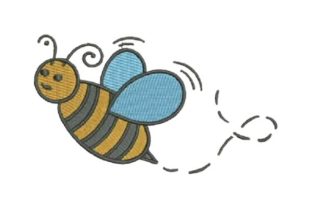
Buzzing Bee: A Seasonal Embroidery Design Review
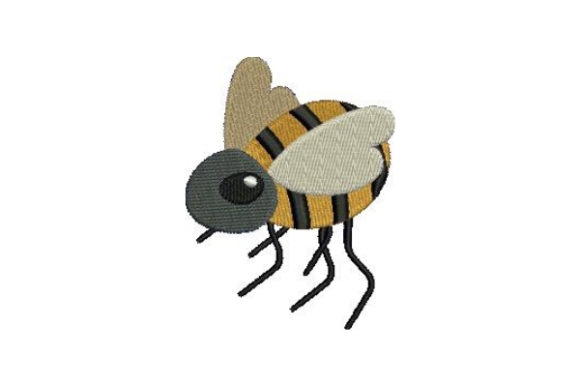
As an experienced embroidery designer preparing for the upcoming holiday rush, I am constantly evaluating which digital assets will translate best into profitable, high-quality finished products. When reviewing the Buzzing Bee machine embroidery design, my primary focus is not just on the aesthetic appeal of the bug motif, but on its commercial viability across a diverse seasonal catalog. This design presents itself as a versatile candidate for holiday embroidery collections, offering a cute touch that bridges the gap between rustic autumn vibes and cheerful spring preparations. For Etsy sellers and small business owners, understanding how this specific embroidery file performs in real-world production scenarios is essential for maximizing return on investment during peak shopping periods.
First Impressions: Emotional Tone and Seasonal Versatility
Upon loading the Buzzing Bee design into my editing software, the immediate impression is one of playful nostalgia. While bees are often associated with summer gardens, the stylized nature of this artwork allows it to function beautifully as seasonal embroidery for cooler months. The design carries a cozy, cottage-core emotional tone that resonates deeply with current handmade gift trends. It does not feel overly juvenile; rather, it strikes a balance that appeals to both children’s apparel decorators and adult home decor enthusiasts.
For holiday product creators, this versatility is key. The Buzzing Bee design avoids specific holiday iconography like snowflakes or pumpkins, making it an evergreen asset within a seasonal shop product lineup. It feels festive without being dated, allowing for extended selling windows from early fall harvest festivals through Valentine’s Day and into Easter. This emotional flexibility increases the perceived value of the digital embroidery file, as it can be marketed repeatedly throughout the year without losing relevance.
Commercial Applications for Holiday Selling Situations
In testing this design for various applications, I found that Buzzing Bee excels in creating cohesive gift bundles and personalized gift options. For sweatshirt embroidery, the design serves as an excellent left-chest placement or a centered focal point on crewnecks. The stitch structure appears robust enough to handle the texture of fleece and French terry fabrics common in holiday apparel. When planning limited edition apparel drops, pairing this bee motif with custom text creates a unique selling proposition that distinguishes your brand from generic competitors.
Beyond apparel, this design is a strong contender for kitchen towel embroidery and tote bag design projects. These items are staples for craft fair displays and holiday markets. The Buzzing Bee motif adds a whimsical yet sophisticated detail to linen and cotton canvas, elevating simple blanks into premium handmade gifts. For home decor, consider using this design on pillow covers or table linens. The visual recognition of a friendly bee evokes warmth and hospitality, emotions that drive purchasing decisions during family gatherings and holiday celebrations.
For those selling digital files directly, providing printable mockup templates featuring Buzzing Bee can significantly boost conversion rates. Customers need to visualize the finished product before buying. Showing the design on realistic textures helps build customer trust and reduces pre-sale inquiries about sizing and appearance.
Technical Considerations and Fabric Limitations
While Buzzing Bee is adaptable, professional judgment requires acknowledging where caution is necessary. Not every fabric texture interacts favorably with detailed bug motifs. When stitching on thick towels or plush fabrics, verify the stitch density. If the design is too dense, it may cause puckering or needle breaks; if too sparse, the fabric grain may show through unattractively. Always test thread colors on both light and dark fabrics before committing to bulk production. Dark fabrics may require a white underlay or adjusted color palette to ensure the bee remains vibrant and visible.
Small hoop size variations demand particular attention. Before resizing Buzzing Bee down for baby items or embroidered patches, check the integrity of tiny details. Antennae, wings, and facial features can become lost or cause thread bunching when scaled below recommended minimums. Similarly, stretchy garments and curved caps present stabilization challenges. Using the correct stabilizer is non-negotiable here. A cut-away stabilizer is generally superior for knits to prevent distortion, while tear-away may suffice for stable woven linens.
Metallic thread usage is another area requiring care. While gold metallic threads can make a bee design pop for luxury holiday items, they increase friction and breakage risk. If incorporating metallics into Buzzing Bee, reduce machine speed and use specialized needles to maintain production efficiency and product quality.
Strategic Value for Brand Consistency and Engagement
Incorporating Buzzing Bee into your seasonal strategy affects more than just individual sales; it influences overall brand consistency. A recognizable style across sweatshirts, aprons, and ornaments creates a curated shop experience that encourages multiple purchases. Buyers who love the bee on a kitchen towel are likely to purchase matching napkins or gift tags if the design language remains consistent.
Social media previews featuring works-in-progress of Buzzing Bee generate engagement before products even launch. Behind-the-scenes content showing the stitching process validates the handmade aspect and builds anticipation. For commercial embroidery businesses, this design offers a safe yet distinctive option for corporate gifting or school fundraisers where overt holiday themes might be restricted. Its universal appeal ensures broader market penetration.
Essential Designer Notes for Production Success
To ensure Buzzing Bee meets professional standards in your holiday collection, adhere to these practical guidelines:
- Verify File Compatibility: Although this machine embroidery design comes with multiple embroidery file formats, always confirm compatibility with your specific machine model before purchasing or stitching.
- Test Stitch Outs: Never skip test runs. Check stitch density and registration on the exact fabric you intend to sell. Adjust pull compensation if gaps appear between outline and fill stitches.
- Color Palette Planning: Develop seasonal color charts. Test variegated threads for a rustic look or solid brights for a modern aesthetic. Document successful combinations to streamline future production.
- Stabilizer Selection: Match stabilizer weight to fabric and design complexity. Hoop firmly but avoid stretching knits. Consider topping for textured fabrics to keep details crisp.
- Licensing Compliance: Confirm commercial licensing terms before selling finished products. Ensure your usage aligns with the digitizer’s policies to protect your business legally.
- Mockup Realism: Create accurate representations of the finished product. Avoid misleading edits that alter the actual stitch appearance. Honest marketing builds long-term customer loyalty.
- Detail Inspection: After stitching, examine small elements closely. Trim jump threads meticulously. Clean finishing is what separates amateur crafts from professional goods.
Ultimately, Buzzing Bee represents a valuable addition to any serious embroiderer's digital library. Its blend of charm and technical adaptability makes it suitable for everything from quick craft fair fills to high-margin personalized gifts. By approaching this design with professional scrutiny and strategic planning, sellers can transform a simple bug motif into a cornerstone of their seasonal revenue stream. Remember to review all provided specifications regarding hoop size and format availability to ensure seamless integration into your workflow. With proper execution, this design will undoubtedly buzz its way into the hearts of holiday shoppers and secure repeat business for your handmade brand.