Bumble Bee: A Designer’s Review for Craft Fairs
As an experienced embroidery designer preparing for a busy weekend craft fair, I approach every new machine embroidery design with a critical eye. It is not enough for a file to simply stitch out correctly on my machine; it must translate into a profitable craft fair product that catches the attention of shoppers walking past my booth. When evaluating the Bumble Bee design, I am looking for versatility, visual impact, and production efficiency. This review breaks down how this specific bee motif performs in a real-world commercial setting, focusing on what actually sells at handmade markets and how to maximize its potential for your small business.
First Impressions and Market Appeal
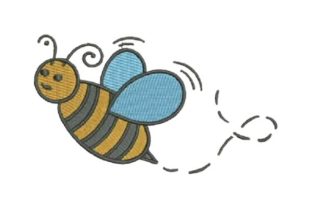
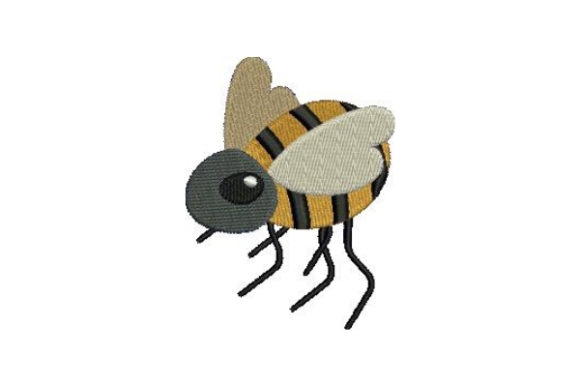
The Bumble Bee design immediately strikes a balance between whimsical charm and classic cottagecore aesthetics. In the current handmade market, insect motifs—particularly within the Bugs category—have moved beyond simple nursery decor. They are now staples in modern farmhouse kitchens, eco-friendly market accessories, and sustainable fashion. Upon reviewing the artwork, this bee feels soft yet distinct. It avoids being overly cartoonish, which broadens its demographic appeal from young children to adult buyers seeking sophisticated nature-inspired goods.
For an Etsy seller or boutique maker, this aesthetic is crucial. The design possesses a "giftable" quality right out of the hoop. It does not look like a generic clip-art placement; rather, it suggests a thoughtful, artisanal touch. Whether you are aiming for a rustic vibe on unbleached linen or a fresh spring look on pastel cotton, the Bumble Bee adapts well. However, because bees can sometimes appear aggressive if stylized poorly, I was relieved to see this version leans into the "cute" description without sacrificing anatomical recognizability. This makes it safe for general audiences while retaining enough detail to satisfy embroidery enthusiasts who appreciate quality digitizing.
Top Performing Products for Booth Displays
When stocking a table display, space is premium and inventory costs matter. You need products where the Bumble Bee acts as a primary selling point. Based on my experience with similar nature-themed embroidery files, here are the highest-potential applications:
- Tote Bag Design: Canvas totes are the undisputed champions of craft fairs. A centered Bumble Bee on natural canvas creates high contrast and instant readability from five feet away. Shoppers associate bees with sustainability, making this pairing a psychological win.
- Tea Towel Embroidery: Flour sack towels offer a smooth surface ideal for capturing the finer details of wings and antennae. These are excellent lower-priced impulse buys that add volume to your sales.
- Apron Embroidery: Placing the bee on the chest pocket area or lower hem of a denim or linen apron adds value. It transforms a utility item into a statement piece for gardeners and bakers.
- Embroidered Patches: If you have a heat-seal backing setup, turning this design into patches allows you to sell the art itself without committing to a full garment. This is perfect for customers who want to customize their own jackets or bags later.
- Fabric Pouches and Zipper Bags: Small cosmetic or pencil cases utilize the bee as a focal point. These serve as great "add-on" items when customers are already buying larger pieces.
While pillow covers and caps are viable, they require more careful consideration regarding placement and stabilization. For a weekend market, tote bags and tea towels typically offer the fastest turnover for this specific motif.
Production Practicality and Batch Efficiency
A beautiful design is useless if it takes three hours to stitch and eats through thread. As a business owner, I evaluate the Bumble Bee for its repeatability. Does it work for batch production? The answer depends heavily on your preparation. This design appears optimized for standard hooping, but you must verify the stitch density. Overly dense fills can cause puckering on lighter fabrics like tea towels, while sparse fills might look cheap on heavy canvas.
Photographing this design for online listings or printable mockups requires attention to lighting. Bees often feature yellow and black, colors that can bleed or lose definition in poor photos. When creating listing images, ensure the thread sheen is captured accurately. Matte threads may make the bee look flat, whereas rayon or polyester will give it the lifelike buzz promised in the description. For digital sellers offering the digital embroidery file, providing clear close-ups of the stitch texture builds trust with buyers who worry about jump stitches or registration issues.
Critical Use Notes for Professional Results
Even a high-quality commercial embroidery file has limitations based on application. Before running a production batch of Bumble Bee products, consider these technical constraints:
- Fabric Texture Matters: Avoid using this design on high-pile terry cloth or thick fleece unless you use a water-soluble topping. The intricate wing details and facial features will get lost in the nap of the fabric. Stick to woven cottons, linens, and denim for best clarity.
- Size Reduction Risks: While the description notes multiple formats, be wary of shrinking the bee below 3 inches. Tiny text or thin leg segments may break or become indistinguishable. Always test the minimum size before committing to small tags or labels.
- Curved Surfaces: If applying this to caps, remember that the curvature distorts circular shapes. You may need a specialized cap frame or a flattened version of the design to prevent the bee from looking warped.
- Thread Contrast: Yellow thread on cream fabric lacks pop. Always opt for high-contrast backgrounds or outline the bee in a darker tone to ensure visibility from a distance at your booth.
Designer’s Checklist Before Selling
To ensure the Bumble Bee becomes a bestseller rather than a source of frustration, follow this professional workflow. Do not assume the file is ready-to-run straight from the download.
- Test Stitch on Scrap Fabric: Never run a new design directly on saleable inventory. Use scrap material identical to your final product to check tension and stabilizer adequacy.
- Verify Hoop Size Compatibility: Confirm the design dimensions fit your specific machine’s hoop. Repositioning mid-stitch increases error risk and slows production.
- Check Stabilizer Pairing: Match the stabilizer to the fabric weight. Cut-away for stretchy knits, tear-away for stable wovens. Incorrect stabilizer choice is the number one cause of distorted bee wings.
- Review Commercial Licensing: Before selling finished products or the file itself, double-check the license terms included with the purchase. Ensure you are cleared for both physical item sales and any digital redistribution if applicable.
- Create Real Mockups: Photograph an actual stitched sample rather than relying solely on software renderings. Customers at craft fairs and online want to see real thread colors and texture.
Enhancing Brand Value Through Quality Execution
Ultimately, the Bumble Bee design is more than just a cute graphic; it is a tool for building brand consistency. When customers see clean, professional stitching across your tote bags, aprons, and pouches, they associate your shop with reliability. A well-executed bee motif signals that you care about the details—from proper stabilization to thoughtful color selection.
For creative entrepreneurs, this design offers a pathway to higher perceived value. Handmade buyers are willing to pay premiums for items that feel intentional. By treating this small shop product with the same rigor as a large-scale manufacturing run, you elevate your entire collection. The buzz this design brings should not just be in the title, but in the energy around your booth and the engagement on your social media. Take the time to test, refine, and present the Bumble Bee with confidence, and it will likely become a staple in your seasonal lineup for years to come.