Hope Survive: Embroidery Design for Apparel
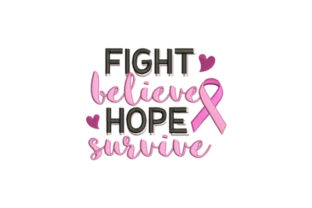
As an embroidery designer constantly curating collections for boutique apparel, I approach every new digital asset with a critical eye. When browsing Creative Fabrica embroidery options for an upcoming seasonal line, the "Hope Survive" design immediately stood out as a contender for meaningful, cause-driven merchandise. This machine embroidery design features an awareness ribbon intended to spread the word about the fight against breast cancer, but beyond its message, it must perform technically on garments. For small shop owners and Etsy sellers, a design is only as good as its stitch-out on actual fabric. My review focuses on how this specific embroidery file translates from screen to sweatshirt, ensuring it meets the standards of commercial embroidery and high-end handmade products.
Visual Personality and Boutique Aesthetic
The first impression of Hope Survive is one of balanced sentimentality and clean graphic strength. In the world of custom apparel, awareness designs can sometimes feel clinical or overly aggressive, but this design strikes a softer, more feminine tone suitable for lifestyle brands. The visual mood leans towards classic and supportive rather than starkly medical, making it appropriate for cozy seasonal outfits and casual wear. For a boutique brand, this distinction is vital. You are selling a garment that happens to support a cause, not just a fundraising tool. The design possesses enough decorative strength to stand alone on a neutral sweatshirt without needing excessive embellishment, yet it remains minimal enough to pair with other typography or floral accents if your collection requires layering.
When evaluating this for printable mockups or social media graphics, the silhouette reads clearly even at smaller sizes. This clarity is essential for Etsy listings where thumbnail visibility drives clicks. The design feels premium because it avoids cluttered details that often plague lower-quality digitizing. It suggests a professional presentation that builds buyer trust, signaling to customers that your small shop product is thoughtfully curated rather than hastily assembled.
Performance Across Garment Types
For apparel decorators planning a diverse collection, versatility is key. I envision Hope Survive performing exceptionally well across several core categories:
- Sweatshirt Embroidery: This is the primary use case. On a heavyweight cotton fleece sweatshirt, the design has enough presence to anchor the chest area. The texture of the fleece provides a nice contrast to the smooth sheen of standard rayon or polyester thread colors.
- Hoodie Design: Placement is everything here. While center-chest is standard, this design’s proportions suggest it could work beautifully as a left-chest logo or even centered on the back yoke for a trendy, modern look. Oversized hoodies benefit from designs that don't get lost in the fabric volume.
- Tote Bags and Denim: The structural integrity of denim jackets and canvas tote bags makes them ideal canvases. The design’s lines should remain crisp on these stable fabrics, offering a durable finish for commercial embroidery products meant for daily use.
- Pastel and Dark Apparel: Awareness ribbons rely heavily on color recognition. On pastel hoodies, the traditional pink will pop softly. On dark garments, you may need to adjust thread colors or add an underlay to ensure the ribbon remains vibrant and legible against black or navy backgrounds.
Technical Considerations for Professional Results
While the aesthetic is strong, technical execution determines whether a finished product looks handmade or homemade. As you prepare to use this digital embroidery file, several practical factors require attention. Always confirm the specific hoop size and file formats included in the Creative Fabrica product details before purchasing, as compatibility varies by machine. The description notes multiple formats are available, which is excellent for shops running mixed fleets of commercial and domestic machines.
Stitch density is a critical variable when working with awareness ribbons. Ribbons often involve curved fills and satin stitches that can pull on fabric. If you are stitching on stretchy knit fabrics like jersey t-shirts or lightweight French terry, puckering is a risk. I strongly recommend testing on scrap fabric that matches your production garment weight. Verify your stabilizer choice; a cut-away stabilizer is generally superior for knits to maintain registration during the stitch-out. For fleece or ribbed fabric, consider using a water-soluble topping to prevent stitches from sinking into the pile, which can obscure the fine details of the ribbon loops.
Be cautious with placement on curved surfaces or areas prone to stretching, such as near side seams or directly over bust points on fitted tees. These areas distort easily during hooping. For oversized garments, ensure the design is centered relative to the wearer’s body, not just the garment’s physical center, as drop-shoulder seams can shift visual balance. Inspect the design in your editing software to check for jump stitches or trims that might need optimization for your specific machine’s pathing efficiency.
Building Brand Value Through Meaningful Design
Incorporating Hope Survive into your inventory does more than fill a product slot; it communicates brand identity. Customers increasingly seek connection with the businesses they support. Offering a well-executed awareness piece demonstrates that your boutique brand cares about quality and community. However, this only works if the execution is flawless. A poorly stitched design damages credibility, while a pristine stitch-out reinforces professional presentation.
For Etsy sellers and creative entrepreneurs, this design offers opportunities for customer engagement. Use lifestyle product photos showing the sweatshirt being worn in natural settings rather than just flat lays. This helps buyers visualize the scale and emotional resonance of the piece. When creating listings, be transparent about your process. Mentioning that you test stitch density and select specific thread colors for optimal contrast adds perceived value to the handmade product. It tells the buyer that this isn't a mass-produced item, but a carefully crafted garment.
Designer Notes for Production Success
Before launching this design in your shop, run through this essential checklist to ensure commercial viability:
- Verify Licensing: Double-check the Creative Fabrica license terms regarding commercial embroidery. Ensure you are permitted to sell finished physical apparel and understand any limitations on digital redistribution.
- Thread Contrast Test: Stitch out the design on both light and dark scraps. Some pink threads vanish on heather grey sweatshirts. You may need a deeper rose or metallic accent for better visibility.
- Stabilizer Audit: Do not assume one stabilizer fits all. Fleece requires different support than denim. Document your successful combinations for future reorders.
- Mockup Accuracy: If using printable mockups, ensure the digital representation matches the actual stitch texture. Misleading visuals lead to returns and negative reviews.
- Size Scaling: If resizing the embroidery file, do so within safe limits. Enlarging too much can create sparse coverage; shrinking too much can cause thread breaks and dense, bulletproof patches. Re-digitizing may be necessary for extreme size changes.
Ultimately, Hope Survive represents a solid opportunity for apparel decorators looking to expand their meaningful merchandise offerings. Its blend of visual appeal and technical adaptability makes it a worthy addition to a professional digitizing library. By approaching this machine embroidery design with rigorous testing and thoughtful placement strategies, you can create boutique apparel that honors the cause while satisfying the demands of discerning customers. Remember that in the world of custom apparel, the difference between a good idea and a bestseller lies entirely in the details of execution. Take the time to validate every variable, from hoop size to fabric texture, and your finished products will reflect the care and quality your brand stands for.