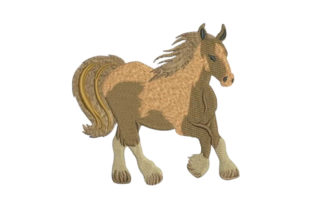
Galloping Horse: An Embroidery Design Review
As an experienced embroidery designer specializing in commercial applications, I approach every new machine embroidery design with a critical eye toward production viability and brand alignment. When evaluating the Galloping Horse design for small business merchandise, my primary focus shifts from simple aesthetics to functional performance on branded goods. This review analyzes how this specific equestrian motif translates from a digital file to a tangible asset for boutiques, farms, stables, and handmade brands looking to elevate their visual identity through custom apparel and accessories.
Visual Personality and First Impressions
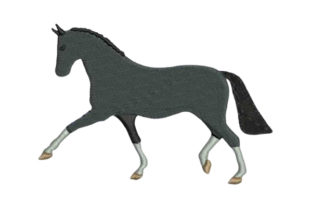
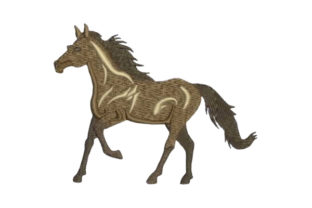
The immediate impression of Galloping Horse is one of dynamic elegance and rustic professionalism. Unlike static equine silhouettes often found in generic clip art, this design captures kinetic energy that suggests movement, freedom, and vitality. For a business in the Farm category or an equestrian lifestyle brand, this distinction is vital. The description highlights "stunning satin stitch" work, which signals to me as a digitizer that the design relies on smooth, high-sheen coverage rather than flat fill stitches. Satin stitches reflect light differently, giving the finished product a premium, three-dimensional quality that flat embroidery cannot achieve.
This visual personality strikes a balance between playful and sophisticated. It avoids being overly cartoonish, making it appropriate for adult demographics and high-end merchandise, yet retains enough organic flow to appeal to family-oriented businesses like petting zoos or riding schools. For an Etsy seller or creative studio, this versatility means the design can anchor a cohesive collection without feeling repetitive. The bold lines implied by a galloping figure ensure readability at various sizes, a non-negotiable factor when designing for brand identity recognition across different media.
Commercial Applications for Small Business Merch
In real-world scenarios, Galloping Horse demonstrates significant potential for diverse small business merch. For a local café or bakery with an equestrian theme, this design serves as an excellent accent for apron embroidery. Placed on the chest pocket area or centered on the bib, the satin stitch elements will catch ambient lighting, adding a touch of craftsmanship that reinforces the handmade nature of the business. Similarly, for florists or gift shops, this motif works beautifully as a tote bag design, where the larger canvas allows the full motion of the horse to be appreciated without distortion.
For uniformed staff at stables or veterinary clinics, this design functions effectively as an embroidered patch. Patches offer flexibility; they can be sewn onto jackets, caps, or shirts and easily transferred if uniforms are updated. The galloping profile is particularly well-suited for cap embroidery on the front panel, provided the curvature of the cap is accounted for during hooping. Beyond apparel, consider using this design as a branding element on product packaging. A stitched tag featuring Galloping Horse attached to handmade leather goods or organic products adds perceived value and authenticity that printed labels simply cannot match.
Strategic Placement and Production Considerations
While versatile, Galloping Horse requires careful placement strategies to maintain integrity. The reliance on satin stitches mentioned in the product description dictates specific limitations. Satin stitches have a maximum width before they become unstable or prone to snagging. Therefore, I advise against resizing this design below a certain threshold without verifying the digitizing structure. If you intend to use this as a tiny sleeve detail or a miniature logo on a collar, you must test whether the satin columns remain distinct or merge into a muddy texture.
Fabric texture plays a massive role in the success of this design. On smooth fabrics like twill or poplin, the satin stitches will lie flat and shine. However, on highly textured materials like terry cloth towels or coarse canvas, the stitches may sink into the weave, losing definition. In these cases, using a water-soluble topping stabilizer is mandatory to keep the design crisp. Additionally, when applying Galloping Horse to dark uniforms, thread color contrast becomes paramount. Light-colored satin stitches on navy or black fabric create a striking, professional look, but low-contrast combinations will render the intricate details invisible from a distance.
Impact on Brand Value and Customer Trust
Investing in high-quality commercial embroidery directly influences customer perception. A poorly executed horse design looks amateurish and can inadvertently signal that a business cuts corners. Conversely, a clean, well-registered stitch-out of Galloping Horse communicates attention to detail and respect for tradition. For equestrian businesses specifically, accuracy in equine anatomy and movement matters deeply to enthusiasts; a design that respects the subject matter builds instant rapport and trust with knowledgeable clients.
Furthermore, consistent use of this design across multiple touchpoints—staff uniforms, retail merchandise, and event signage—strengthens visual memory. When customers associate the galloping silhouette with positive experiences at your establishment, the embroidery becomes more than decoration; it becomes a symbol of quality. For digital creators selling handmade product lines, incorporating this recognizable motif helps differentiate your offerings in a saturated market, justifying higher price points through superior presentation.
Professional Designer Notes for Implementation
Before running Galloping Horse on any saleable item, adhere to these professional protocols to ensure production success:
- Verify Technical Specifications: The product description does not specify exact stitch counts, hoop sizes, or file formats. Always check these details in your embroidery software before purchasing or stitching to ensure compatibility with your machine and intended application size.
- Conduct Black and White Tests: Print a line-art version or stitch a single-color test run first. This reveals the underlying structure and spacing without the distraction of multiple thread colors, allowing you to identify potential registration issues early.
- Test on Real Substrates: Never assume a design will perform identically on all materials. Stitch a sample on the exact fabric and with the exact stabilizer combination you plan to use for the final order.
- Create Printable Mockups: Before committing to bulk production, generate a digital mockup showing Galloping Horse on the actual garment style. Share this with clients or stakeholders for approval to manage expectations regarding size and placement.
- Review Licensing Terms: Confirm that the digital embroidery file includes commercial licensing rights. Using a personal-use-only file for business merchandise exposes your brand to legal risk.
- Evaluate Thread Density: Inspect the design for areas of excessive stitch density. High-density satin overlaps can cause needle breaks or fabric puckering. Adjust pull compensation or underlay settings in your software if necessary.
- Compare Against Existing Assets: Place Galloping Horse beside your current logo and other design assets. Ensure the visual weight and style are harmonious rather than clashing.
By treating Galloping Horse as a strategic business asset rather than merely a decorative picture, small business owners can maximize their return on investment. Whether adorning a stable hand’s cap or serving as the signature mark on a boutique tote bag, this design offers the professional polish necessary to compete in today’s market. Remember that successful embroidery lies in the intersection of beautiful digitizing and disciplined production practices. Always validate your setup, respect the fabric's limitations, and let the quality of the stitch-out speak to the quality of your brand.